
BU1227-E-5
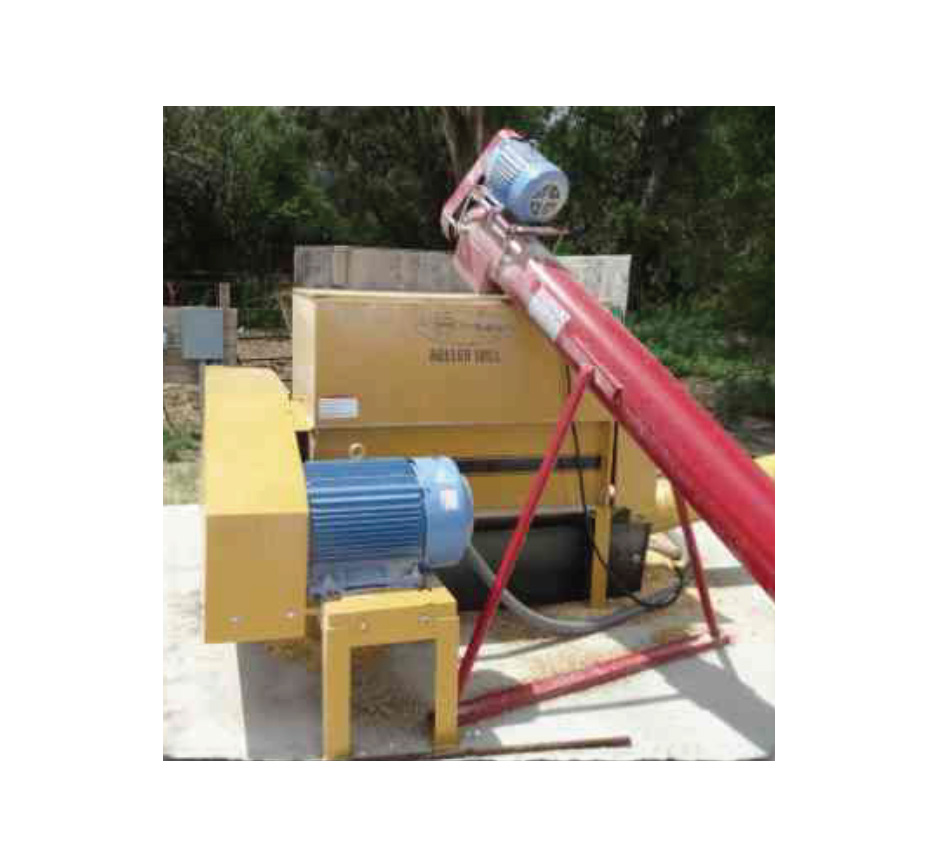
Buffalo KwikKracker 1227 Roller Mill | Elec Dr | 12×27 Rolls | 2250 BPH | Diff Dr | 5 GPI
$44,107.00
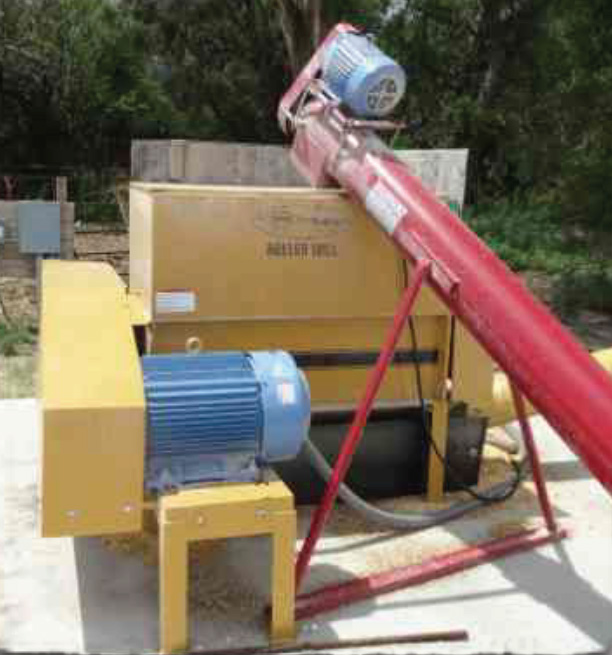
Henke Buffalo KwikKracker 1227 Roller Mills
- 12″ Roll Diameter
- 27″ Roll Length
- Up To 2,250 BPH / 63 TPH Corn Capacity
- Standard 1:1 Drive Ratio
Options
- Differential Drive
- Various Groove Patterns (Call For More Info)
- Inlet Hoppers
- High Moisture Grain Kit
- Conveyor Discharge
- Auger Pan Discharge Extending 4′ Past The End Of The Mill
- 14″ Folding Discharge Auger (12’6″ Discharge Height)
Henke Buffalo KwikKracker Roller Mills
Built with the operator in mind, our Roller Mills are easy to adjust, easy to operate and easy to maintain.
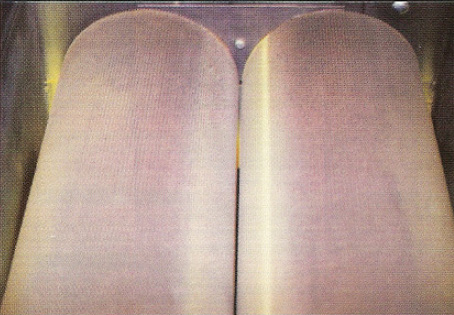
- Easy-adjustment lever for setting the rolls for coarse or fine crack
- Each Roller Mill comes with magnets as standard equipment on the inlet hopper to prevent metallic debris from getting into the gain
- Rolls are heat-treated to Rockwell C-62 – some of the hardest in the industry
- Henke Roller Mills come in a wide variety of roll sizes from 18″ to 54″ in length
- Easy access shields for ease in service and maintenance
- Standard one-to-one ratio drive produces a finished product with minimum fines; optional differential drive is also available for a finer rolled finished product
- Two-high Roller Mills are available featuring coarse-corrugated top rolls and fine-corrugated bottom rolls to allow for additional particle size reduction
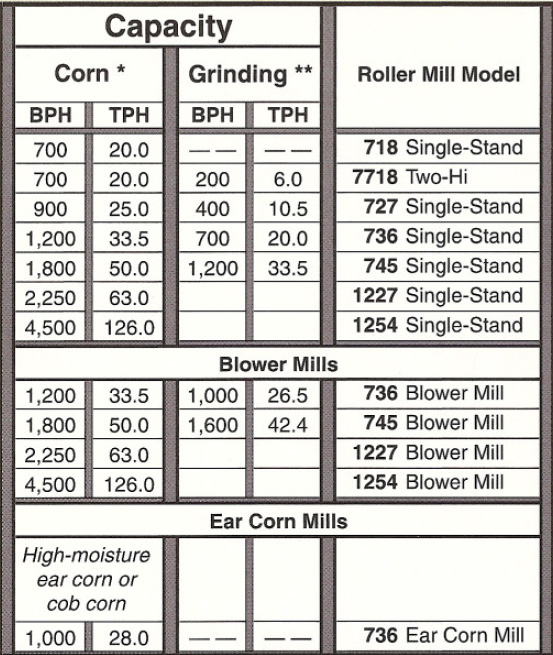
BPH = Bushels Per Hour
TPH = Tons Per Hour
*Corn based on coarse-cracked, dry, shelled corn (except for the ear corn mill)
**Grinding based on dry, shelled corn and using a differential drive.
The primary difference between a 1:1 roller mill and a differential drive roller mill lies in the roll speeds and the resulting material processing method:
- 1:1 Mill (Even Speed): Both rolls in a pair rotate at the same speed, providing a consistent, uniform crush primarily through compression. This is ideal for applications like crimping grain for livestock feed where a consistent crush profile and preservation of the grain structure are important.
- Differential Drive Mill (Different Speeds): One roll rotates faster than the other, introducing a significant amount of shearing action in addition to compression. This shearing is used for a finer, more aggressive grind, suitable for processing certain types of feed where a smaller, more uniform particle size is desired.
| Feature | 1:1 Roller Mill | Differential Drive Mill |
| Roll Speeds | Both rolls operate at the same speed (1:1 ratio). | One roll turns faster than the other (e.g., a 1:1.4 ratio). |
| Primary Action | Cracking or crimping. | Shearing and grinding. |
| Resulting Product | Coarser, cracked grain with a low level of fines. | Finer, more uniform particle size. |
| Best Use Case | Used when a coarser particle size is desired for ruminant digestion (cattle, beef). | Used when a finer, more consistent grind is needed, such as for high-moisture corn, pelleted feeds, or for swine and poultry diets. |
| Capacity | Generally has a higher processing capacity for the same size mill when running dry grain. | May have a lower capacity compared to a 1:1 mill when processing the same volume of product, but achieves a finer grind. |