
BU1254-14-5
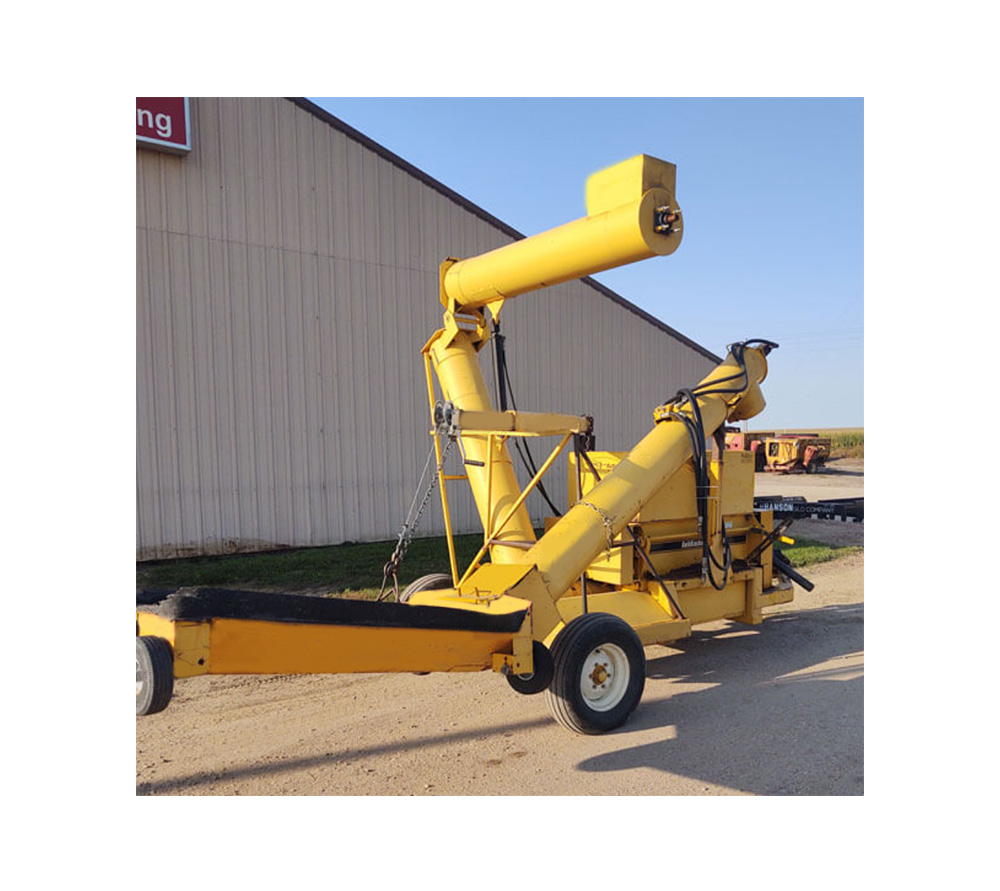
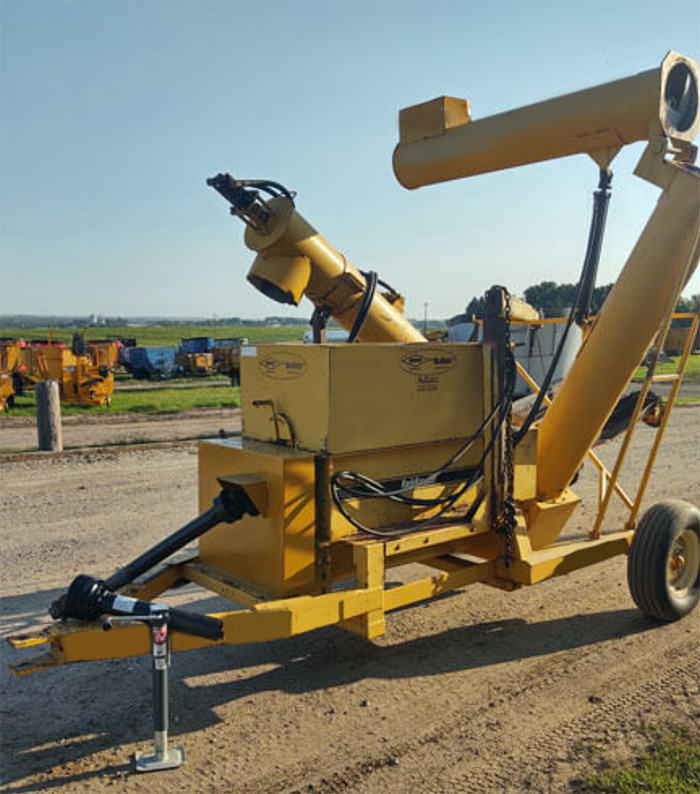
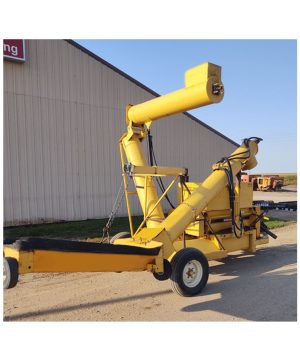
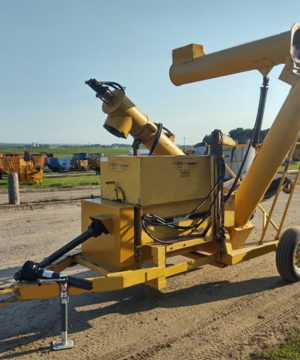
Buffalo Roller Mill / 540 PTO / Trailer / 1.35 Diff Dr. / Hyd. Inlet Auger / 14′ Dis Auger / 5 GPI
$82,562.00
Henke Buffalo KwikKracker 1254 Roller Mills
- 12″ Roll Diameter
- 54″ Roll Length
- Up To 4,500 BPH / 126 TPH Corn Capacity
- 1.35 O.D. Differential Drive
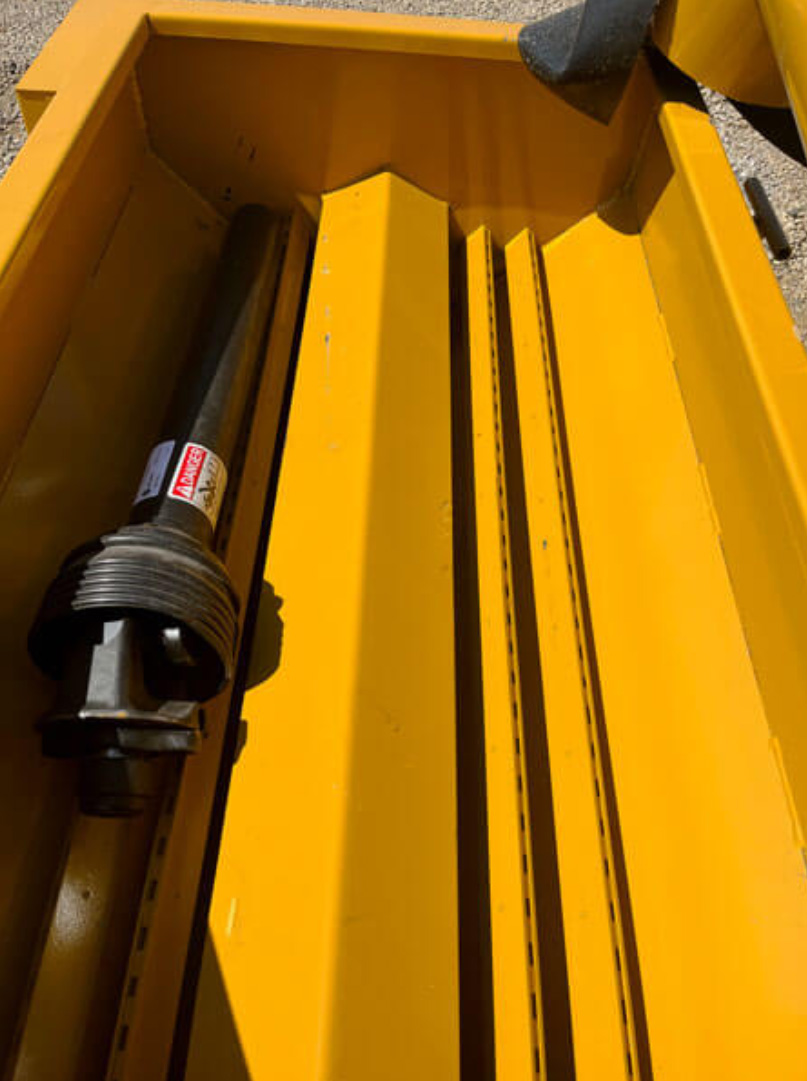
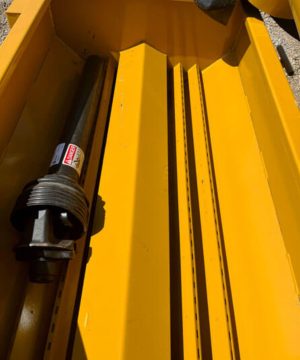
- 540 PTO Drive Kit (80-150 HP Min.) W/Shield/Mtg. Kit
- Trailer
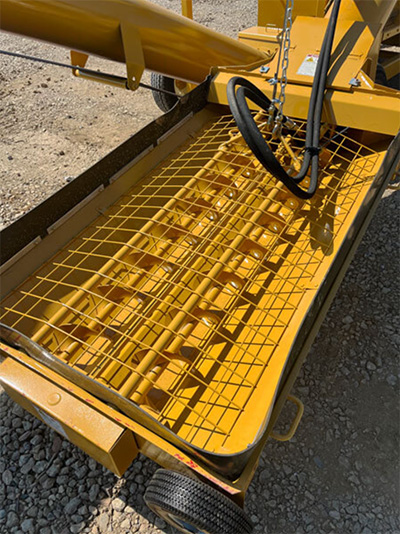
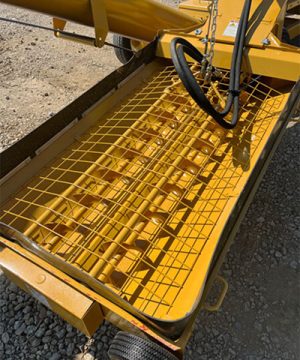
- Inlet Auger Low Profile Hopper (13″ x 15′) W/Hyd. Drive & Lift
- 14″ Folding Discharge Auger (12’6″ Discharge Ht.)
Options Or In Lieu Of
- 1000 RPM PTO
- Electric Drive
- Safety Chain Kit For Trailer
- Various Groove Patterns (Call For More Info)
- 1:1 Drive Ratio
- High Moisture Grain Kit
- 100 Bu Inlet Hopper
- 18″ x 8′ Conveyor Discharge
- Auger Pan Discharge Extending 4′ Past The End Of The Mill
- Stationary Mount
Henke Buffalo KwikKracker Roller Mills
Built with the operator in mind, our Roller Mills are easy to adjust, easy to operate and easy to maintain.
- Capacities: 700 to over 4500 bushels per hour – among the highest capacity on the market
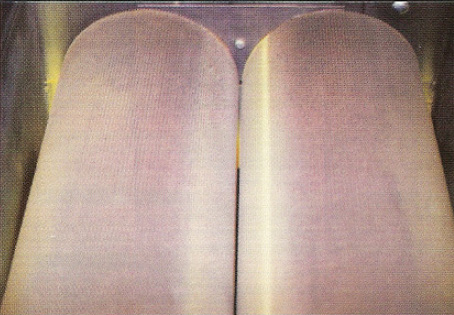
- Easy-adjustment lever for setting the rolls for coarse or fine crack
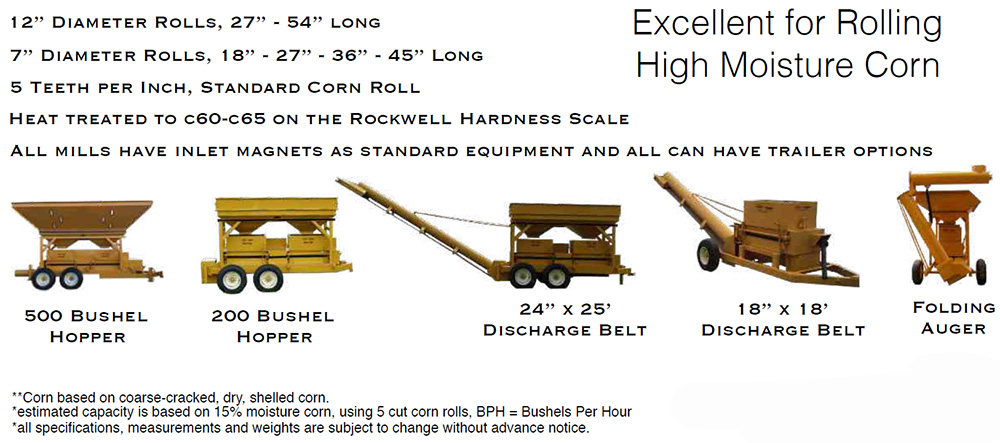
- Each Roller Mill comes with magnets as standard equipment on the inlet hopper to prevent metallic debris from getting into the gain
- Rolls are heat-treated to Rockwell C-62 – some of the hardest in the industry
- Henke Roller Mills come in a wide variety of roll sizes from 18″ to 54″ in length
- Easy access shields for ease in service and maintenance
- Standard one-to-one ratio drive produces a finished product with minimum fines; optional differential drive is also available for a finer rolled finished product
- Two-high Roller Mills are available featuring coarse-corrugated top rolls and fine-corrugated bottom rolls to allow for additional particle size reduction
- Trailer-mounted models allow conveniently moving the mill to various processing sites
- Stationary-mounted models allow permanent installation
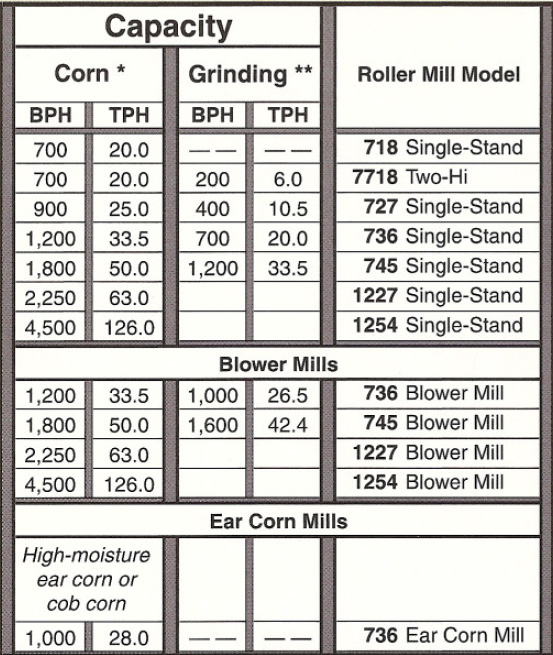
BPH = Bushels Per Hour
TPH = Tons Per Hour
*Corn based on coarse-cracked, dry, shelled corn (except for the ear corn mill)
**Grinding based on dry, shelled corn and using a differential drive.
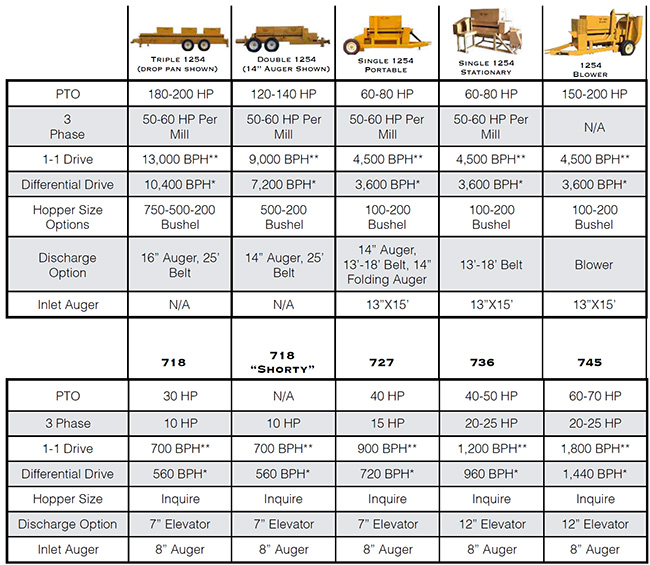
The primary difference between a 1:1 roller mill and a differential drive roller mill lies in the roll speeds and the resulting material processing method:
- 1:1 Mill (Even Speed): Both rolls in a pair rotate at the same speed, providing a consistent, uniform crush primarily through compression. This is ideal for applications like crimping grain for livestock feed where a consistent crush profile and preservation of the grain structure are important.
- Differential Drive Mill (Different Speeds): One roll rotates faster than the other, introducing a significant amount of shearing action in addition to compression. This shearing is used for a finer, more aggressive grind, suitable for processing certain types of feed where a smaller, more uniform particle size is desired.
| Feature | 1:1 Roller Mill | Differential Drive Mill |
| Roll Speeds | Both rolls operate at the same speed (1:1 ratio). | One roll turns faster than the other (e.g., a 1:1.4 ratio). |
| Primary Action | Cracking or crimping. | Shearing and grinding. |
| Resulting Product | Coarser, cracked grain with a low level of fines. | Finer, more uniform particle size. |
| Best Use Case | Used when a coarser particle size is desired for ruminant digestion (cattle, beef). | Used when a finer, more consistent grind is needed, such as for high-moisture corn, pelleted feeds, or for swine and poultry diets. |
| Capacity | Generally has a higher processing capacity for the same size mill when running dry grain. | May have a lower capacity compared to a 1:1 mill when processing the same volume of product, but achieves a finer grind. |